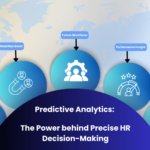
Predictive Analytics The Power behind Precise HR Decision Making
In business, the human factor is the main thing and data is the second thing. Human Resources have progressed a lot and are no longer limited to hiring and paying. At present, HR occupies a very significant position between technology and human talent where predictive analytics is the guiding tool that incredibly leads to smarter, sharper, and more strategic decisions.
The period when HR was dependent only on instinct or experience to make important decisions has passed. Currently, with sophisticated data tools, HR experts are able to detect patterns, predict results and choose the options that are too supported by strong evidence. What do we get? Not just informed choices but accurate, always.
The Rise of Predictive Analytics in HR
Think about predicting, for example, employee turnover before it occurs, recognizing good candidates before their interview, or anticipating workplaces shortages before they affect productivity. This is indeed the guarantee of predictive analytics the change of raw data into foresight that can be acted upon.
Basically, predictive analytics does the forecasting of future trends through historical and real-time data. In the case of HR it involves the analysis of thousands of data points and the use of metrics from recruitment and engagement up to training, effectiveness, and performance ratings, thus making it possible to discover the insights that lead to decision-making.
How Predictive Analytics Transforms HR Decisions
1. Recruitment: Hiring the Right Fit, Every Time: Recruitment has always been a combination of science and art. However, predictive analytics makes it a very accurate craft. By examining the past of the applicants, their skills, and their behaviour, organizations can forecast which of the candidates are likely to be successful in the long run and will remain with the company. This not only leads to a reduction of turnover, hiring costs, and training time but also the creation of stronger, more aligned teams.
2. Retention: Predicting Attrition before It Happens: Employee turnover is a big financial burden for companies, costing them millions of dollars. Predictive models can give an indication of trouble spots which could come up in the followings ways declining engagement scores, absenteeism, workload patterns, or sudden performance dips. Then the HR department can step in, make the adjustments, and prevent valuable talent from leaving the company by ensuring that employees are satisfied.
3. Performance Management: Data-Driven Growth: The period of conducting yearly appraisals has passed. With the help of predictive analytics, the performance of employees can be constantly tracked, thus giving the managers an insight into the factors that lead to productivity and make the employees feel good. Based on these insights, the HR department can create personalized learning and development programs and growth plans that will be most effective.
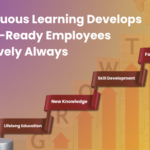
4. Learning & Development: Future-Proofing Skills: Predictive analytics allows HR departments to anticipate future skill shortages by analysing both the external and internal performance data and the industry trends. This understanding allows the companies to offer training to the staff before they even need it, making sure that the employees are future-ready and not future-anxious.
5. Diversity & Inclusion: Decisions Free from Prejudice: In promotions and hiring a lot of times bias is not recognized. Predictive analytics can sift through the data in an unbiased way by focusing on metrics grounded in merit rather than assumptions, thus assuring equality and fairness. It creates a workplace that is inclusive to all, in which decisions are made based on facts and not emotions.
The Precision of Predictive HR: From Gut Feeling to Data Confidence
The human judgment has been the principal factor in the HR decisions for a long time, and even though it is a valuable factor, it is not always reliable. The implementation of predictive analytics has introduced a new dimension of accuracy. It’s like changing from a traditional map to GPS navigation. You still have an idea of the destination, but along with that, you also have the best way, possible hiccups on the way, and the time of arrival. HR is now using technology in a way that it is not reacting to problems but is in fact preventing them.
The data-driven HR teams are in a position to respond to the most important questions such as:
- Who are the employees that stand the greatest chance of burning out?
- Which factors keep the high performers for a longer time?
- What sector of training can generate the best returns?
The provision of these answers converts strategy into science and intuition into insight.
Real-World Impact: Using predictive HR analytics to reshape their workforce is already the reality of major firms like IBM, Deloitte, and Infosys. For IBM, it was through the predictive model that identified the at-risk employees early that the firm ended up cutting employee attrition by more than 30%.
A wave is sweeping over to mid-sized companies, too; they are applying similar technologies and tools like SAP Success Factors, Oracle HCM, and Workday for data analytics to be part of daily HR decisions. The upside? Better and more informed hiring, increased employee happiness, and improved business results.
The Human Touch behind the Numbers: Sooner or later, HR will be all about the people, no matter the number of algorithms and dashboards used. Predictive analysis is not a substitute for empathy it is a process of refinement. HR practitioners can discern the data and let their efforts focus solely on those areas that matter the most: human connections, well-being, and growth.
If there are analytics and empathy, HR will not just be a department but a strategic powerhouse that influences the future of work.
Final Thoughts: Predictive analytics is no longer merely changing the functioning of the HR department, but it is completely re-establishing it. HR professionals, when every decision is supported by data, will be empowered to operate with complete trust, accuracy, and vision.
The upcoming era of HR will be ruled by those, who will be able to perfectly combine human intuition with digital intelligence. As soon as the right proportion is reached, the process of making a decision will not just rely on facts and figures it will get motivated.
Moreover, one fact in the contemporary workplace is undeniably obvious: Predictive analytics always tells HR when to decide and how.